
Why Jerez matters beyond the clichés
If all you know is sherry, horses, and flamenco, you know the headline. The city itself is more layered than that.
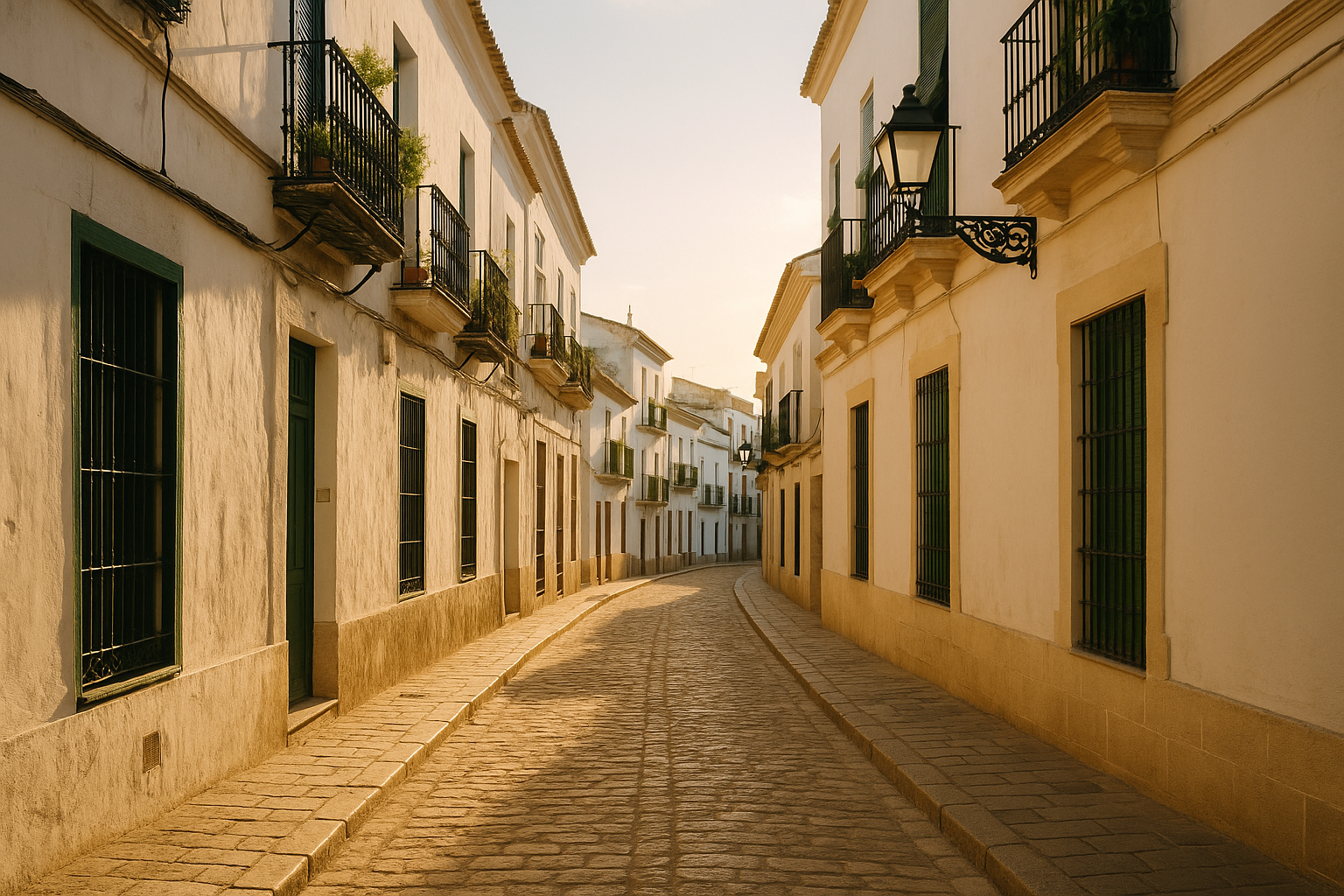
Jerez has a public image problem: many people know the symbols before they know the city.
Yes, the great shorthand is real:
- sherry
- flamenco
- horses
- festivals
But the city matters because those things are not random decorations. They are part of a deeper civic identity built on trade, agriculture, ritual, music, and local pride.
It is a city with a strong cultural grammar
Jerez is one of those places where custom is not a tourist performance added later. It shapes how people gather, eat, celebrate, and remember.
That is why the city often feels more grounded than places that market themselves more aggressively.
Sherry is not just a drink here
It is history, economy, landscape, language, and ritual all at once.
Understanding Jerez means understanding:
- why bodegas matter
- why tabancos matter
- why the surrounding vineyards matter
- why local drinking culture is different from generic wine tourism
Flamenco here has roots, not just packaging
Jerez does not need to pretend flamenco belongs here. It already does.
That matters because there is a difference between:
- a city that sells flamenco
- a city that has lived with flamenco for generations
It rewards repeat attention
Jerez is not always instantly legible. Some cities explain themselves in five minutes. Jerez usually takes longer, and ends up more interesting for it.
The best case for the city is simple:
it still feels like a place with its own internal life.
That is harder to preserve than any marketing campaign, and much more valuable.